live_tv
Livestream Starting Soon
00
Hours
:
00
Minutes
:
00
Seconds
Up next in 10

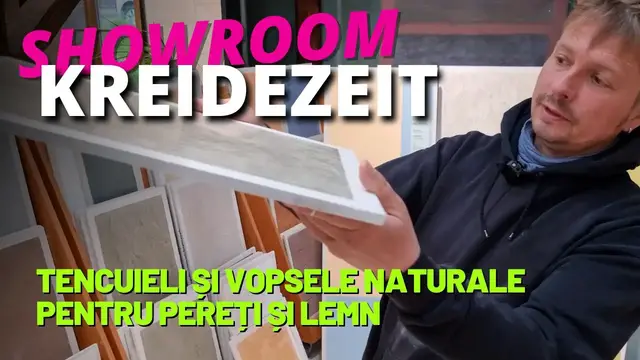
Vizită la showroom--ul Kreidezeit din Germania | Tencuieli și vopsele naturale, materiale și tehnici
Jun 11, 2023

Ce produse naturale găsești în noul showroom Kreidezeit din Lamspringe, Germania.
Distribuitorul Kreidezeit în România este Naturalpaint.
Website Naturalpaint https://www.naturalpaint.ro/
Poți cumpăra Kreidezeit de aici https://www.naturalpaintshop.ro/catalog/brand/kreidezeit-1000067
Despre tencuiala Tadelakt informații aici https://revistadinlemn.ro/2017/11/01/tadelakt-tencuiala-traditionala-marocana-care-m-a-fascinat/
Cum am refinisat cu lazură precolorată Kreidezeit ușile exterioare din lemn de stejar ale bisericii Pitar Moș vezi aici https://revistadinlemn.ro/2022/08/04/cum-am-refinisat-cu-lazura-precolorata-kreidezeit-usile-exterioare-din-lemn-de-stejar-ale-bisericii-pitar-mos/
Show More Show Less View Video Transcript
0:00
Two Turgurgues we have brought this in Germany
0:03
I've profited to a visit at the city of Kriadside. Let's see with us. I've seen with us
0:07
I've seen it from here. I've seen it from the very beginning here
0:25
or right after the very beginning. And originally I'm an approved assistant for chemical laboratories
0:38
but I stopped working in this field. Here in Kreidzite, I'm a technician, so I'm developing products
0:48
I'm also responsible for all the technical documentation. All texts here are made by me, I'm responsible
0:58
responsible for safety things, so safety data, data sheets and so on
1:04
And I'm also a technical supporter. So if you call here, there's a big chance to have me on the phone and give you advice
1:11
Kreidzeid is a company which was founded about 35 years at least ago
1:20
In this area here in a village nearby, the original reason to
1:27
to found it was at that time. There was an environmental catastrophe in the Atlantic Ocean
1:38
the Atlantic coast close to Germany. You maybe know these animals seals
1:45
Lots of them have been dying. The reason was a leftover from the production of titanium white
1:53
which is a pigment. And always when producing those, this a lot of waste acid was left over and they flushed it into the sea and these animals died from it
2:06
And this caused a big wave publicity. So the people thought about environment and where the pollutions come from
2:18
And so my former or former president seek for information how this comes from
2:26
and he thought about what did the people before. So why didn't die these animals before
2:32
And he found out about natural pains, about lime pains and chalk-based pains
2:40
and also, for example, linseed oil, and found out that all these techniques
2:48
didn't pollute environment, didn't poison human beings, except of maybe some several ingredients
2:55
which are not allowed anymore at this time, for example, lead-based pigments
3:01
And he began with a very simple paint, which was based on chalk
3:06
and bound with casein, which is a milk protein. And he exposed it on a biological market in Hildesheim
3:16
just to show the people how easy it is to make some things and then the people would like to buy it
3:22
He was not prepared. And then while this step by step by step, he founded this company and we are here with
3:31
about 30 people working since more than 30 years. We are selling, of course, in Germany a lot, exporting to different countries in Europe
3:41
in Asia, overseas. So the basics or the main ideas of this company still stood
3:47
So we are here taking raw materials which are which are really based on natural sources
3:58
We use them unchanged, so we do not process them. So maybe like the chemical industry does
4:06
takes petrol out of the earth and then has heavy chemical industries to change
4:13
to make new substances out of it. No, we take the substances as they are given
4:19
So we think one of the main ideas that substances which are still in the environment
4:28
they could not be so dangerous for us, because if so, we would not exist like we are existing
4:35
So we have three or four main product lines. We have wall paints, paints for wood
4:46
or treatments and treatments for woods. We have special text. special techniques like glossy plasters according to traditional techniques like Tadallag and Stucolustro
5:01
And inside these main groups of our main product lines we have again different lines according to their binding agent
5:11
So for example for the wall paints we have traditional casein paints
5:16
We do them since 35 years, 10 years later after found the companies also protein-based or protein bound pains based on vegetable proteins came up
5:32
At that time it was only a trial. What we can do this with them, today we can serve the market for vegan people
5:44
who have a vegan lifestyle. And so we have options to work with plant-based
5:52
materials. We have a complete lime-based production, lime-based, lime-based plasters, lime-based
6:02
paints and we have glue paints like it was did with over centuries in former times with animal glues But meanwhile so since decades this is done with cellulose glues
6:22
We have silicate-based paints, so all of them are free of emissions
6:29
Then we have oil paints for indoors and outdoors. We have hard oils for the floors, for dead
6:36
desktop for any kind of furniture, wooden panels, claddings for outside. We have oil paints for wood outside
6:45
As lasua, we have it also as opaque paints, full covering. And we are really successful with this on the market
6:52
I'm happy with this. So, for example, as you can see here, it's a choice of wallpaint and plasters
7:02
We have very, very simple wallpaints, like, Like here it's still tinted with pigments
7:10
It's a plant-based plant protein, vegetable protein-based wall paint, which can be sprayed, brushed or rolled
7:19
We have simple plasters based on lime that can be tinted. For example, this one is one of our most sold products
7:30
a thin lime plaster called calclette. And based on this, many other techniques came upon
7:42
We mix some decorative ingredients into it, like glass pebbles, like walnut grains, walnut grains, like vermutulite mica
7:55
it's a natural, also natural mineral, to create different techniques or appearances
8:03
with maybe some inclusions that have a shine or a gloss, or like here
8:11
And the rest, or here we have glass pebbles in this. And the rest is the technique of application
8:21
We have maybe one or two basic materials, then some additive ingredients to cause these special appearances
8:31
The rest is technique. Sometimes a little bit more difficult than just painting, but not too difficult
8:40
And for everybody who does not know how to make it, we are offering seminars
8:47
Frequently every month, maybe once or twice a month, we have a seminar room, everybody is invited
8:55
It's not only for professionals, also DIY workers can come, architects can come, everybody who loves to
9:03
We have wall glaze techniques means that a wall paint at first is applied
9:11
and then the pigment is applied with a transparent binder on top by wiping technique
9:18
and you can do it with a sponge or with a brush. Glossy plasters like here, it's the Tadalacht
9:27
This is a traditional Moroccan technique. Moroccan plaster, which can also be used for shower walls
9:36
It's resistant to shower water. A densified, densified polished plaster, which while the polishing is made with a flat stone
9:49
special flat stones where you go in with a little pressure in small circles
9:55
circles polishing the surface and you cause a gloss. We have also other techniques like
10:04
this is a calcutter with a little shine. This is applied with a trowel
10:16
and densified and polished with a trowel. And based on this also even more
10:25
glossy is, for example, Stucco Lustro. I don't know if we can see it in the
10:33
line, in the light this shine. How it is, can you see that
10:39
Yeah. So, of course, of course, a little bit more intense in work
10:48
But it's possible. It's also possible for for DIY workers. Yeah, then we have
10:55
like you can see on these walls there so all techniques for wall application
11:02
can be made in for example here in the choice of 250 colors
11:09
that is what we recommend but everybody can mix other colors or other mixtras out of it
11:15
and it's a near endless range of different colors also very intense colors
11:22
for example also look here maybe you can move the colour and if you have
11:32
a good lighting how expressive this is this shine coming out this is very easy
11:42
every DIY worker can do such things maybe a little more time
11:48
than applying just only a plaster but it's easy Also we have a choice of wood treatments
12:01
Actually our showroom here is existing since about a year. It's not yet completely filled
12:08
So we at first finished the wall paints now in plaster. Now we are working on showing materials for wood
12:17
Our products for wood we have for example this one one of our most popular products we have and most sold in the product line of oils
12:31
It's called stand oil paint. It's a covering oil paint based on traditional mixtures
12:43
It's totally free of any resins. it's totally free of any alky resin
12:50
really only oil and pigments. And the advantage of this is, in opposite to many synthetic colors
13:00
like you can see it here when it is old, synthetic paints are decaying under sunlight
13:09
The sunlight, like you know it from a plastic bag, you put it in the garden in a sunlight
13:15
sunlight, the sun destroys it. You touch it and it's breaking and flaking
13:22
Also, all paints when made of two hard resins at a certain time in the
13:29
sunlight crack and then flake off. And then when it begins and you don't notice
13:39
it too early enough then rainwater might go to the very through the very first cracks and if it goes really, really bad, the wood absorbs too much water and might rot
13:58
and you might get lost of the, for example, here this window. With oil paint, this does not happen
14:06
So oil paint, oil paint does not crack, flake or peel off. It's only, it's only
14:15
it's only losing the gloss and then changing over the years, changing to dust
14:26
This is behaving like your skin when you go in the sunlight and when you have a sunburn
14:34
When you have a sunburn, at first your skin is shrinking. It's drying and shrinking
14:42
and later on it's peeling off in very fine particles. If your skin wouldn't do this
14:52
then you would have deep cracks, deep and hurting cracks. And this is the same what the oil paint does
15:02
It loses the shine, gets more every year, gets more and more and more met
15:09
And after some years, you can, can also when you touch it, you have a little pigment dust on the finger
15:19
But the appearance is still good, it's pretty, it's nice, and it looks intact and proper
15:28
So in opposite to synthetic lacquers when one's damaged, those ones you have to completely remove
15:37
So send down to the wood and then to renew everything. everything. Put again a primer, put again new coats of paint. While with oil paint, as I said
15:50
it's getting mad with the time, losing the gloss and changing to dust. And then you only clean it
15:56
and repaint. So, sending and also loss of wood while sending does not occur anymore
16:06
Maybe at the beginning it's a bit more intense in work. And also we have other drying times like synthetic lekers
16:17
synthetic lekers dry sometimes in two or three hours. And then can be used
16:23
Oil paints need 24 hours. So you have to invest a little more work and waiting time
16:32
until next layer. maybe this makes it at first a little more expensive
16:37
than other paints, cheaper paints, but in the end you save money after years
16:44
when you are renovating because then you save a lot of work for the maintenance and repair
16:50
Then we have many different oils for wooden flooring like hard oils or hardwax oils
17:00
which just protect the surface and which emphasize the grain of the wood
17:10
Since some years it was fashionable to make shabby techniques. This means making new furniture looking old
17:23
We are applying several layers of paint. In this case, we don't use
17:30
oil paints, we use the wall paints I have shown before, apply them in different layers
17:35
sent them through that it looks worn off, and then cover in the end cover
17:42
it with oil to protect it. Was a time very, very fashionable
17:49
Everybody asked for this. What actually is asked very, very often
17:59
is an oil-based protection for wood, but with a natural effect
18:11
So the people love to treat their wood, that after treatment it looks like untreated
18:18
So what we can see on this sample board, for example, is here we have a simple, simple and usual common
18:28
hard oil treatment So here this is the wood here In the middle this was taped before for not touching it was paint So here you can see the original color of wood
18:43
When you put oil on it, it emphasizes the grain gets darker
18:48
And also usually it is yellowing a little bit, which makes the wood even darker
18:56
and since some maybe two, three, four years, people more and more ask for treatments
19:06
that do not change the color of the wood too much, that it stays light in color
19:15
This can only be achieved with pigment. So many companies are now offering
19:22
for example, oil or hard oil, with a certain given amount of pigment
19:31
Yeah, and it depends on the producer how much pigment he puts in it
19:38
Our experience is with our clients, they are searching for individual solutions
19:48
And you can be sure you are offering a product, for example, with 5% pigments
19:53
and then the first customer will say, oh, nice that you have it, but I'd like to have 8
19:59
or only 3 or 12. So we say we make a kit out of it
20:08
We sell the pure liquid oil, the unchanged oil, and sell a pigment paste with it
20:16
And it's very easy for the people to flush the pigment paste into the oil
20:22
and just their own. and to create their own intensity. For example, here we see a pigment titanium white
20:32
in three different intensities. So this is what usually we recommend to leave
20:44
the appearance somehow unchanged. Completely unchanged is not possible with oil. but somehow light
20:57
But other people like to have a more expressive white and now they can do it by their own
21:04
and don't have to buy another product. Another very important property to mention about wall paint
21:13
is their shelf life. We know from many interior paints
21:22
you can buy in the hardware store, hardware stores everywhere, like synthetic emulsion paints
21:28
We know when we apply them, they are very, very bright white
21:34
And we are happy that it's so bright white. So then, after living, even if you don't smoke in the house or even if you don't burn
21:45
candles, after a while you think it might have changed. It looks somehow darker
21:52
because the binders are yellowing, for example, or maybe you have pictures on the wall
22:02
and after some maybe two, three years, you say, maybe I like to have this picture now on that wall
22:12
And then you have behind the picture, the wall paint didn't change
22:22
It's lighter or whiter than around. So you have to renovate. If you just only want to bring the picture from one wall to the other
22:34
With natural paints, especially the casein paint, silicate and lime paints, you don't have that problem at all
22:45
The ingredients we have in it, they are not yellowing at all
22:50
also after 20 years, they don't change. And the most important fact is these paints are antistatic
22:59
This is a problem all these synthetic emulsion paints have. The binder are acrylics or PVA
23:07
This is plastic binder. And especially in the winter time when we warm up our rooms with central heating
23:16
the air is rotating in the rooms. and moving over the surface of the wall paint
23:23
and this creates static electricity. And this absorbs or soaks dust out of the air onto the wall
23:35
This is the most important fact. These paints are completely antistatic. I can here say, if you are a heavy smoker
23:47
You can smoke or burn a lot of candles in a room
23:53
which smoke causes yellow dust, candles are causing grey, grey or dark dust
24:00
and discolourings on the wall. These walls don't attract it anymore. So even after 10, 15 years, with heavy influence
24:11
you can take the picture from one wall to the other and there's no shadow on the wall
24:16
Sometimes we say it's not good for business, not to have such pains
24:21
because the people come back for buying new products for renovation much too late
24:28
Yeah, you know, that's it
#Building Materials & Supplies
#House Painting & Finishing
#Green & Eco-Friendly Shopping