


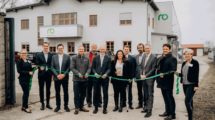









Ceea ce era inevitabil într-o industrie din ce în ce mai competitivă s-a întâmplat chiar la Ligna 2025: primul proces câștigat pentru încălcarea unui brevet european într-o dispută între producători de utilaje pentru lemn. Homag a obținut o interdicție preliminară împotriva companiei chineze IMAI pentru mașina Pro Edge NC680-LP-AR, expusă chiar în stand la Ligna Hanovra.
Procesul care s-a mișcat mai repede decât târgul
Povestea e aproape cinematografică în viteza ei. În timp ce Ligna era încă în desfășurare, echipele juridice Homag au identificat încălcarea brevetului european EP 2243619 B2 și au depus imediat cererea de interdicție la Tribunalul Regional Braunschweig. Compania IMAI (Guangdong Super Machinery Technology Co. Ltd.) a fost somată încă din timpul târgului, iar la data de 12 iunie instanța a confirmat încălcarea și a emis interdicția.
Ce era atât de special la mașina Pro Edge NC680-LP-AR? Era echipată cu două procese alternative de aplicare cant: unul cu material pre-acoperit activat prin laser și altul cu material neacoperit unde adezivul se încălzește și se aplică direct cu un cilindru. Exact combinația protejată de brevetul Homag.
Contextul unei industrii în transformare rapidă
Această victorie juridică reflectă o realitate mai complexă decât ar părea la prima vedere. Industria chineză de utilaje pentru lemn nu mai e cea de acum 10-15 ani – companii ca Nanxing sau KDT au devenit operatori sofisticați cu departamente R&D substanțiale și inovații proprii. Mulți dintre aceștia dezvoltă tehnologii competitive, nu doar adaptări ale celor existente.
În același timp, industria europeană, cu toate realizările ei remarcabile, se confruntă cu o anumită inerție în adaptarea la ritmul rapid al pieței globale. Dr. Sergej Schwarz din conducerea Homag a fost direct: “Tehnologia noastră reprezintă ani de muncă grea, ingeniozitate și curajul de a investi în inovație. Vom continua să acționăm hotărât împotriva încălcărilor de brevete.”
Competiție și colaborare într-o piață globală
Paradoxal, în timp ce se derulează aceste dispute juridice, colaborarea continuă. Mulți distribuitori europeni lucrează cu succes cu producători chinezi, oferind clienților acces la tehnologii competitive la prețuri accesibile. Realitatea pieței e că inovația vine acum din multiple direcții, iar consumatorii finali beneficiază de această diversitate.
Opt dintre cei mai mari producători europeni (Altendorf, Biesse, Bürkle, Homag, IMA Schelling, SCM, Weber, Weinig) au creat standardul ETML pentru comunicarea între scule și mașini – un efort de colaborare care arată că industria poate și să coopereze când e nevoie.
Ce înseamnă pentru piață
Pentru antreprenorii din industria lemnului, acest precedent semnalează că protecția proprietății intelectuale devine prioritate în toată industria – indiferent de originea geografică a inovației. E un semnal pozitiv pentru toți cei care investesc în dezvoltare tehnologică.
Pe termen lung, aceste dispute juridice ar putea contribui la o piață mai echitabilă, unde inovația – indiferent de unde vine – este protejată și recompensată. Atât producătorii europeni, cât și cei asiatici vor trebui să investească mai mult în dezvoltare proprie și mai puțin în adaptarea rapidă a tehnologiilor existente.
Lecția pentru industrie
Victoria Homag la Ligna 2025 nu e despre “Europa versus China” – e despre respectul pentru inovație într-o industrie globală din ce în ce mai competitivă. Mesajul e clar pentru toți actorii: investiția în R&D propriu devine nu doar un avantaj competitiv, ci o necesitate de supraviețuire.
Iar pentru consumatori? O industrie unde inovația e protejată și recompensată înseamnă, în final, tehnologii mai bune pentru toți.







 Română
  Italiano
  English
  Deutsch
  Español
  Français
  Polski
  Português (AO90)
Adaugă comentariul